Casterton Primary Academy
Music
Music in our school
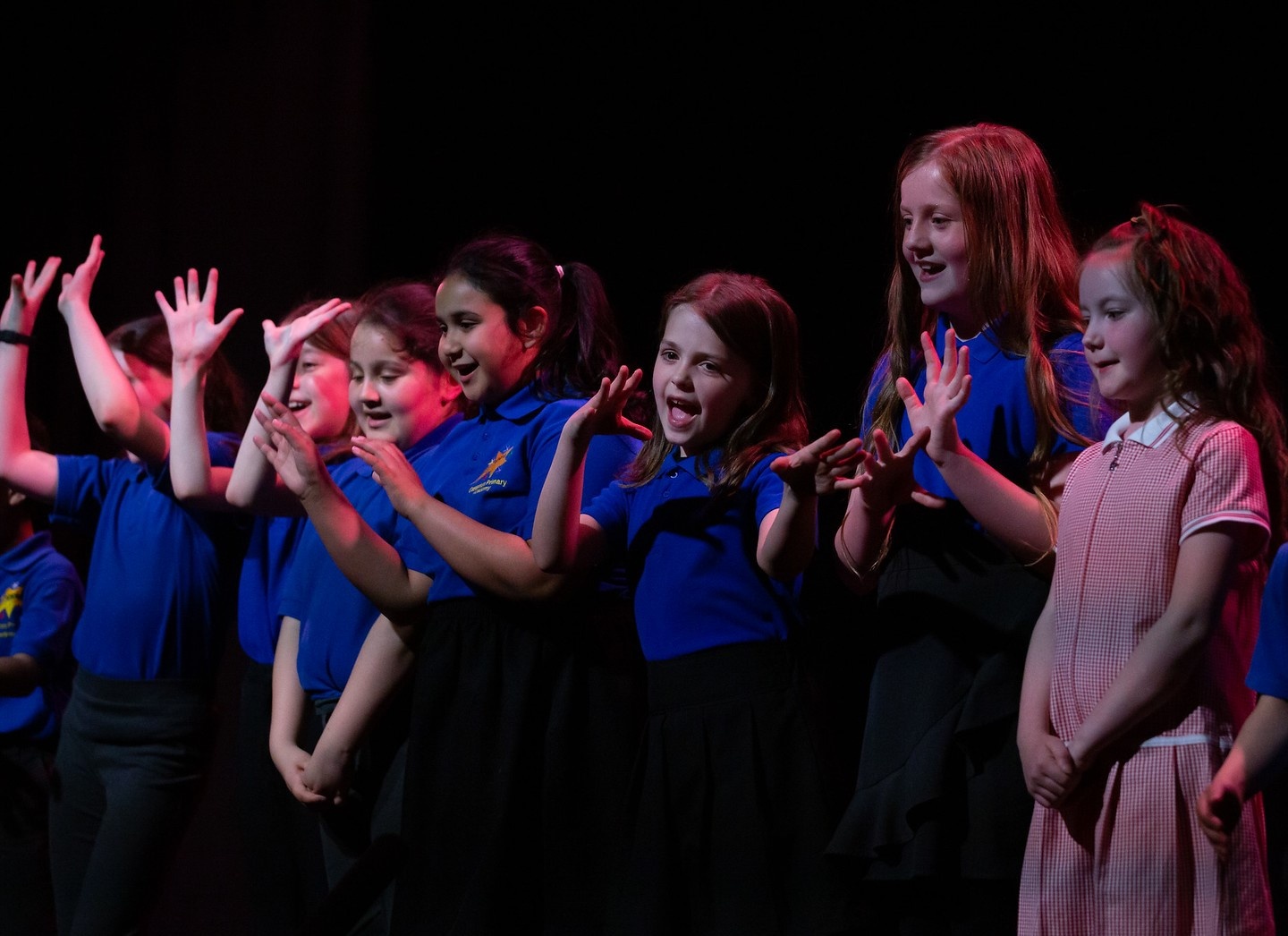
Burnley Gotta Sing

Summary of Intent |
|
At Casterton Primary Academy, our music curriculum is first and foremost to help children to feel that they are musical, and to develop a life-long love of music. By focussing on developing the skills, knowledge and understanding that children need, they can become confident performers, composers and listeners. Through the use of KAPOW scheme of learning, we introduce children to music from all around the world and across generations, teaching children to respect and appreciate the music of all traditions and communities. We encourage our children to demonstrate and articulate an enthusiasm for music and acquire their own personal musical preferences. |
What Music looks like at Casterton Primary Academy |
|
A holistic approach to music is taught throughout our school, in which children will develop musical skills of singing, playing tuned and untuned instruments, improving and composing music and listening and responding to music. Our children will develop an understanding of the history and cultural context of music that they listen to and learn how music can be written down. Through music, our curriculum helps children develop transferable skills such as team-working, leadership, creative thinking, problem-solving, decision-making and presentation and performance skills. These skills are vital to children development as learning and have a wider application in their general lives outside and beyond school. Each five-lesson units combine the key strands (below) within a cross-curricular topic designed to capture our student’s imaginations and encourage them to explore music enthusiastically.
We adopt a spiral curriculum model, our children build up on their previous skills and knowledge from prior year groups. As the children move up through school, they will be taught how to sing fluently and expressively, and play tuned and untuned instruments accurately and with control. They will learn to recognise and name the interrelated dimensions of music – pitch, duration, tempo, timbre, structure, texture and dynamics – and use these expressively in their own improvisations and compositions. Active participation is a key factor in our music curriculum and our lessons draw a range of activities from a range of styles and traditions, developing our children’s musical skills and their understanding of how music works. Our lessons promote children to be ‘hands on’ and incorporate movement and dance elements, as well as making cross-curricular links with other subject areas across the school. |
How Music develops in EYFS and transitions into KS1 |
|
Within the EYFS setting, music in an integral part of the children’s learning journey. They explore rhyme and rhythm throughout their learning of phonics, handwriting and mathematics. Children learn a wide range of songs and rhymes and develop skills for performing together. Singing and music making opportunities are used frequently to embed learning, develop musical awareness and to demonstrate how music can be used to express feelings. As the children transition through to Year 1 they begin to participate in more structured lessons exploring the interrelated strands of music more and exploring music through cross curricular activities and learning. |
Planning Expectations |
|
The Long Term Plans These show the topics we have to cover, grouped into a 2-year cycle; Year A and Year B. Using the KAPOW scheme of learning ensures that staff have a clear outcome and goal for their lessons and a clear focus for each half term. |
Non-negotiables |
|
Adapting the Music curriculum for children with SEND |
|
Children with SEND access the same strands of music and the curriculum as their peers. In many cases, the children can access the learning in the same way. Where they cannot, modifications and adjustments can be made. For example:
For some activities, teachers provide a ‘parallel’ activity for pupils with SEN and/or disabilities, so that they can work towards the same lesson objectives as their peers, but in a different way – e.g. using ICT software to enable pupils to create compositions rather than relying on handwritten notation. |
Assessment |
|
Teachers will use both formative assessment and summative assessment to make their judgements as to their pupils’ progress throughout each half term. Using the learning objectives from lessons to monitor their learning they can provide ‘live’ ongoing feedback and this will inform the next steps of their learning. Summative assessments are made at the Summative assessments are made at the end of each topic, using the assessment criteria for that topic. |
Curriculum Enrichment |
|
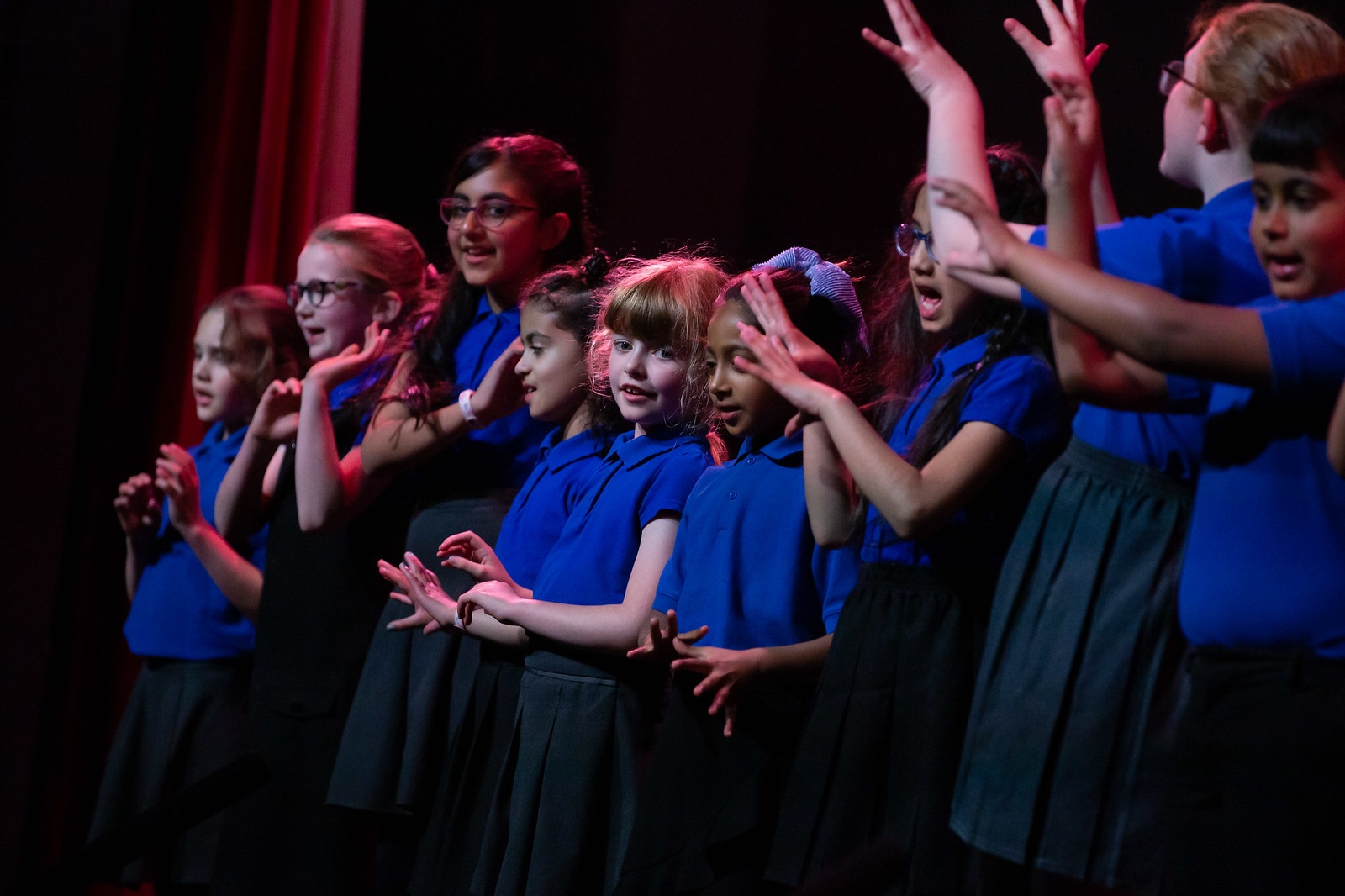
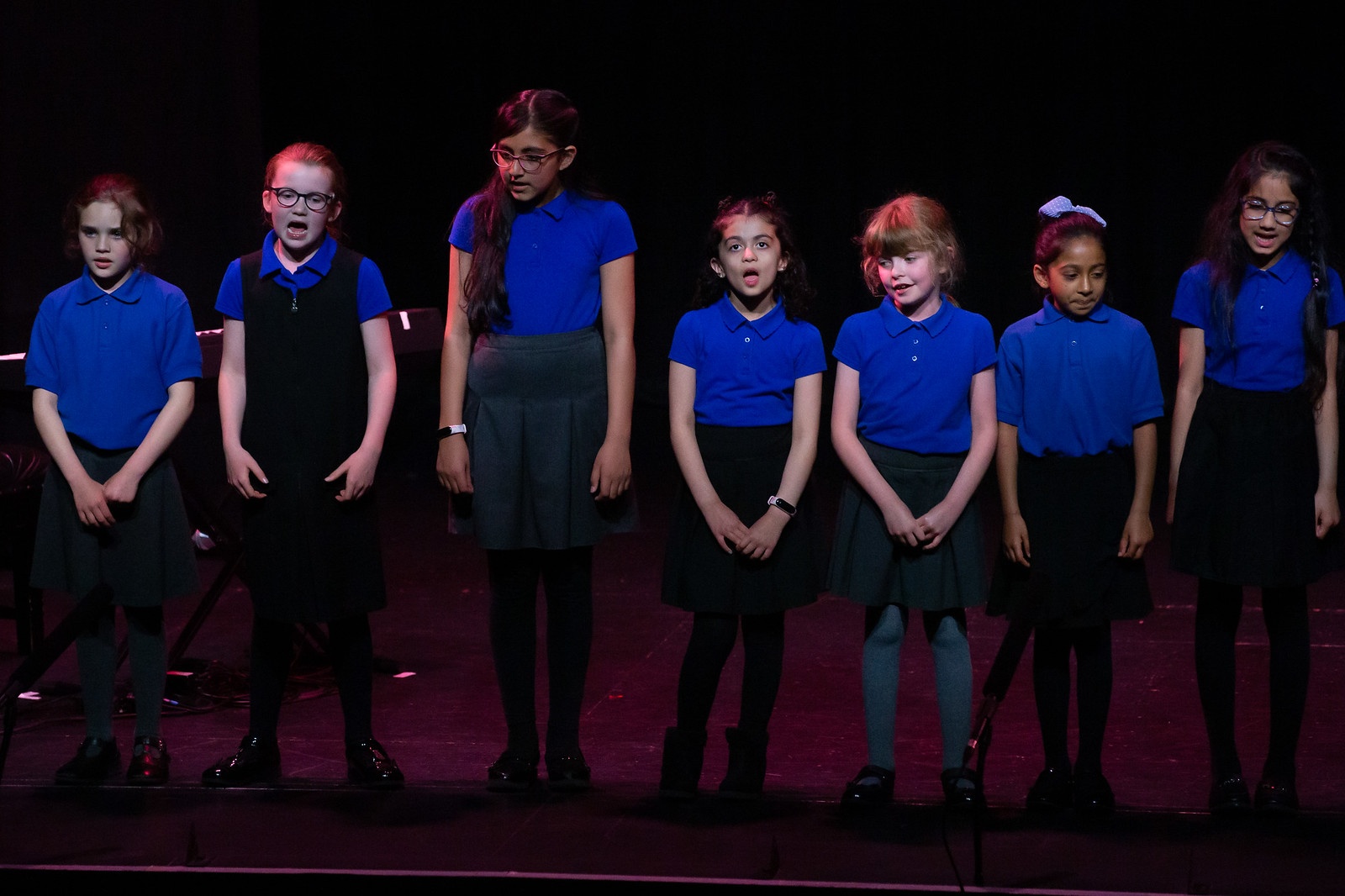
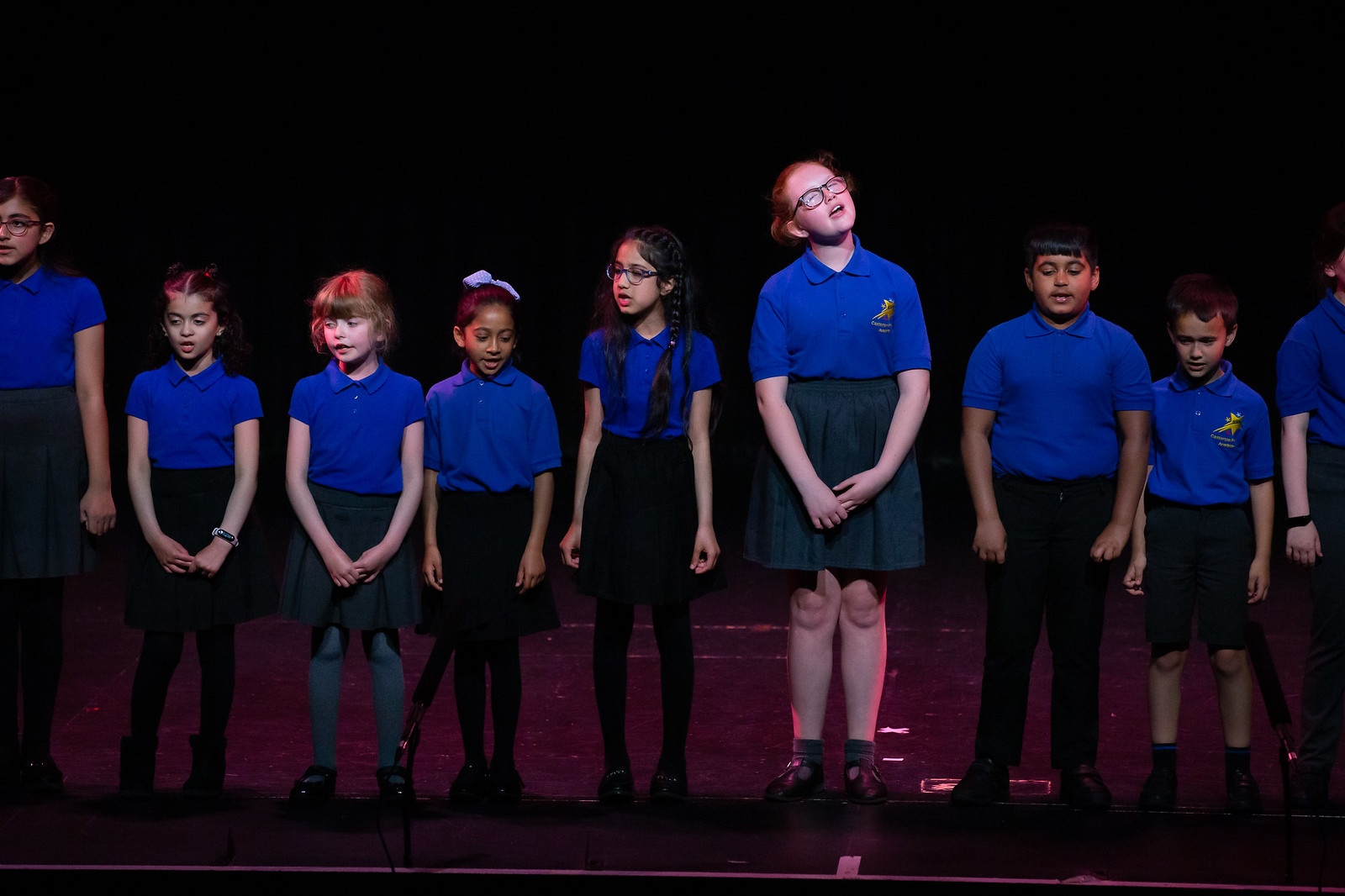
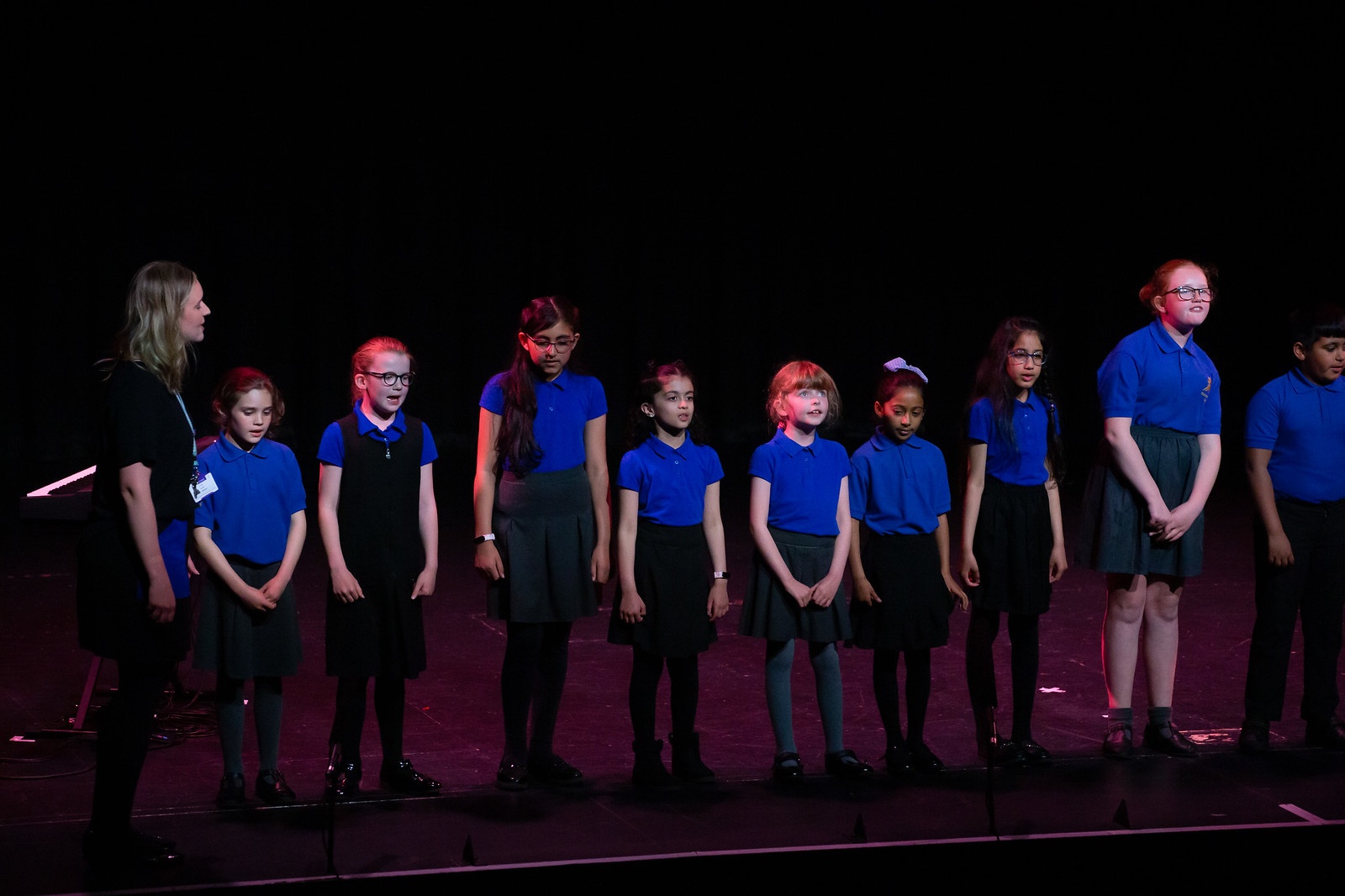
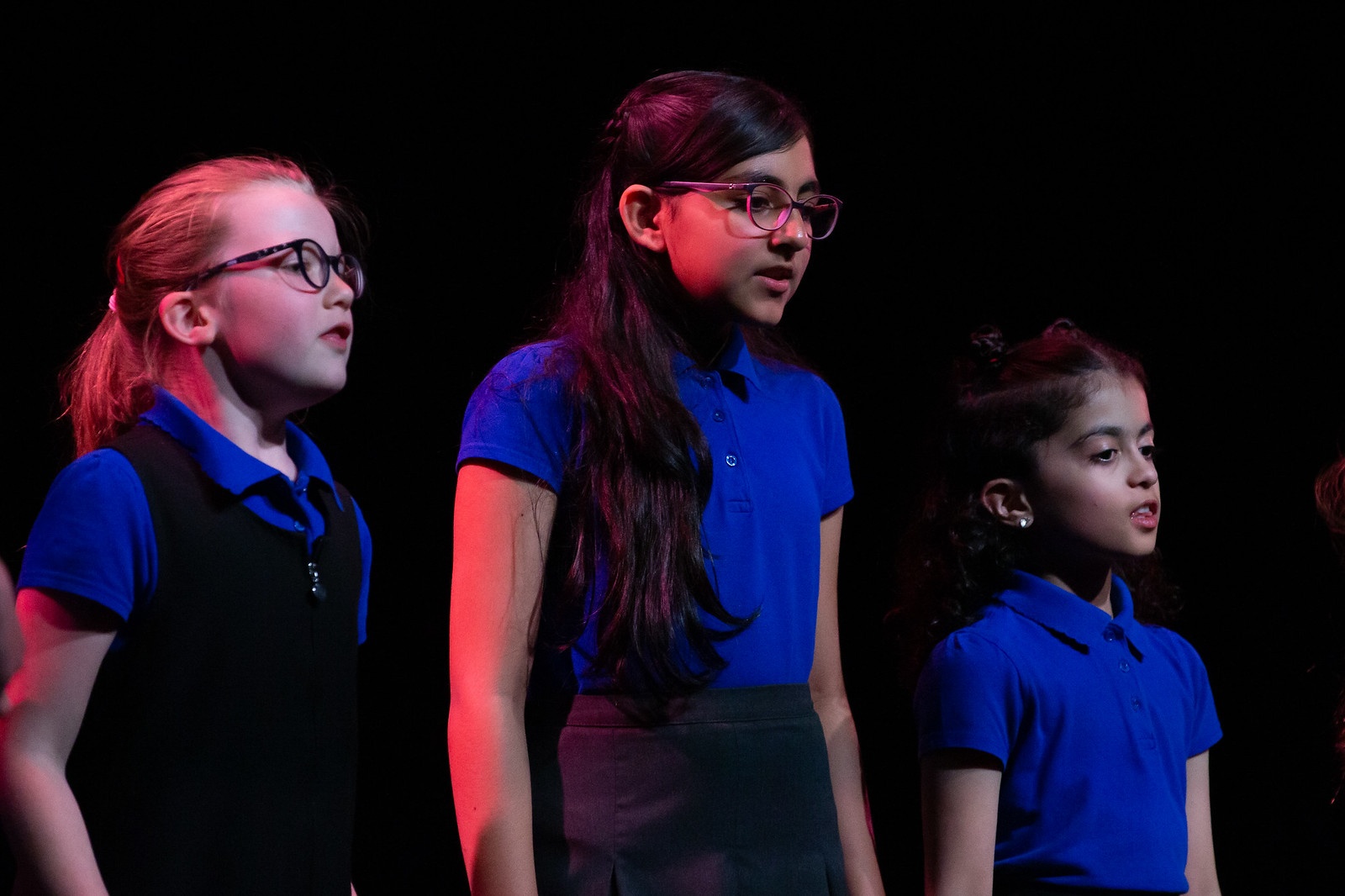
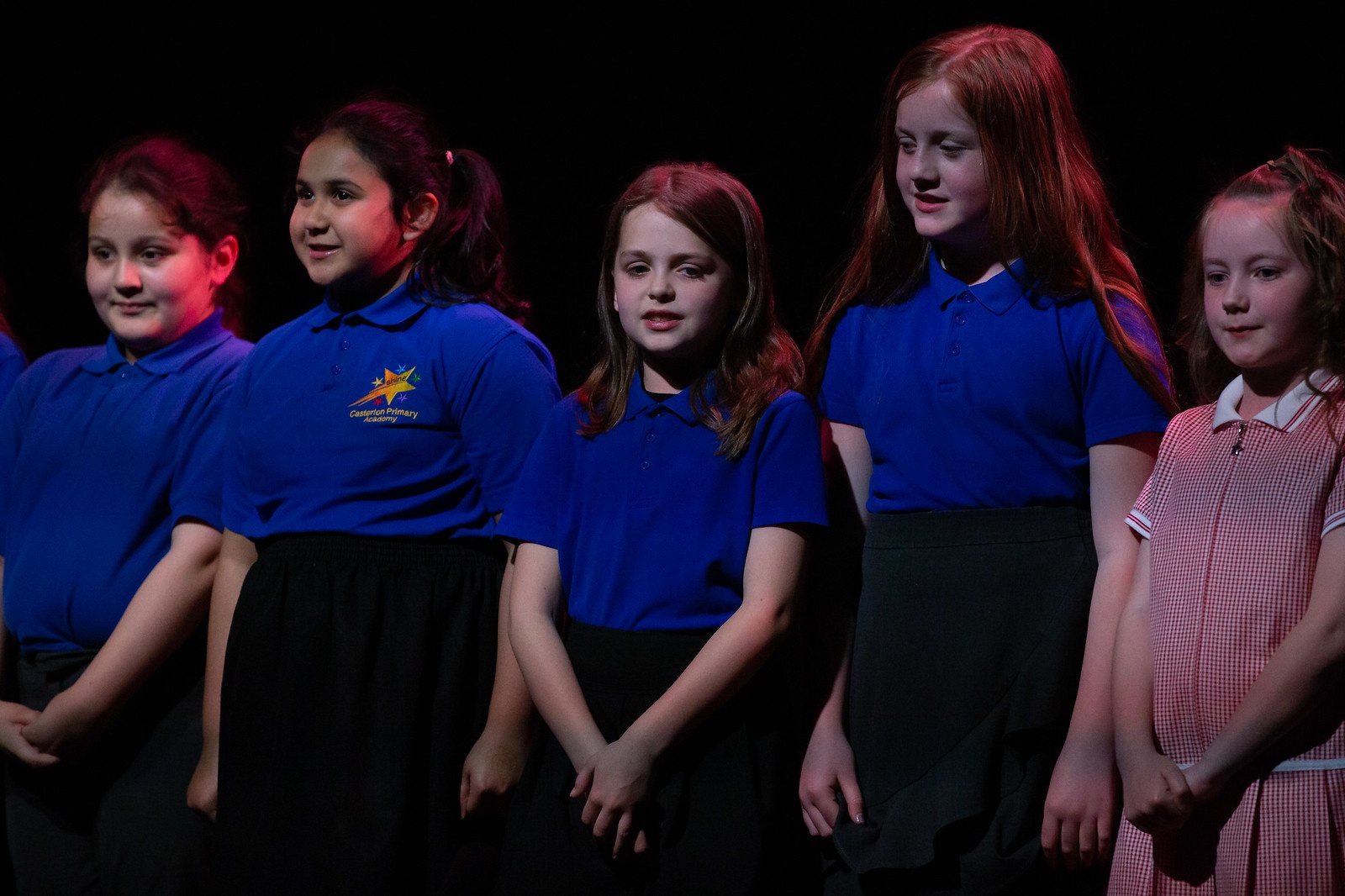
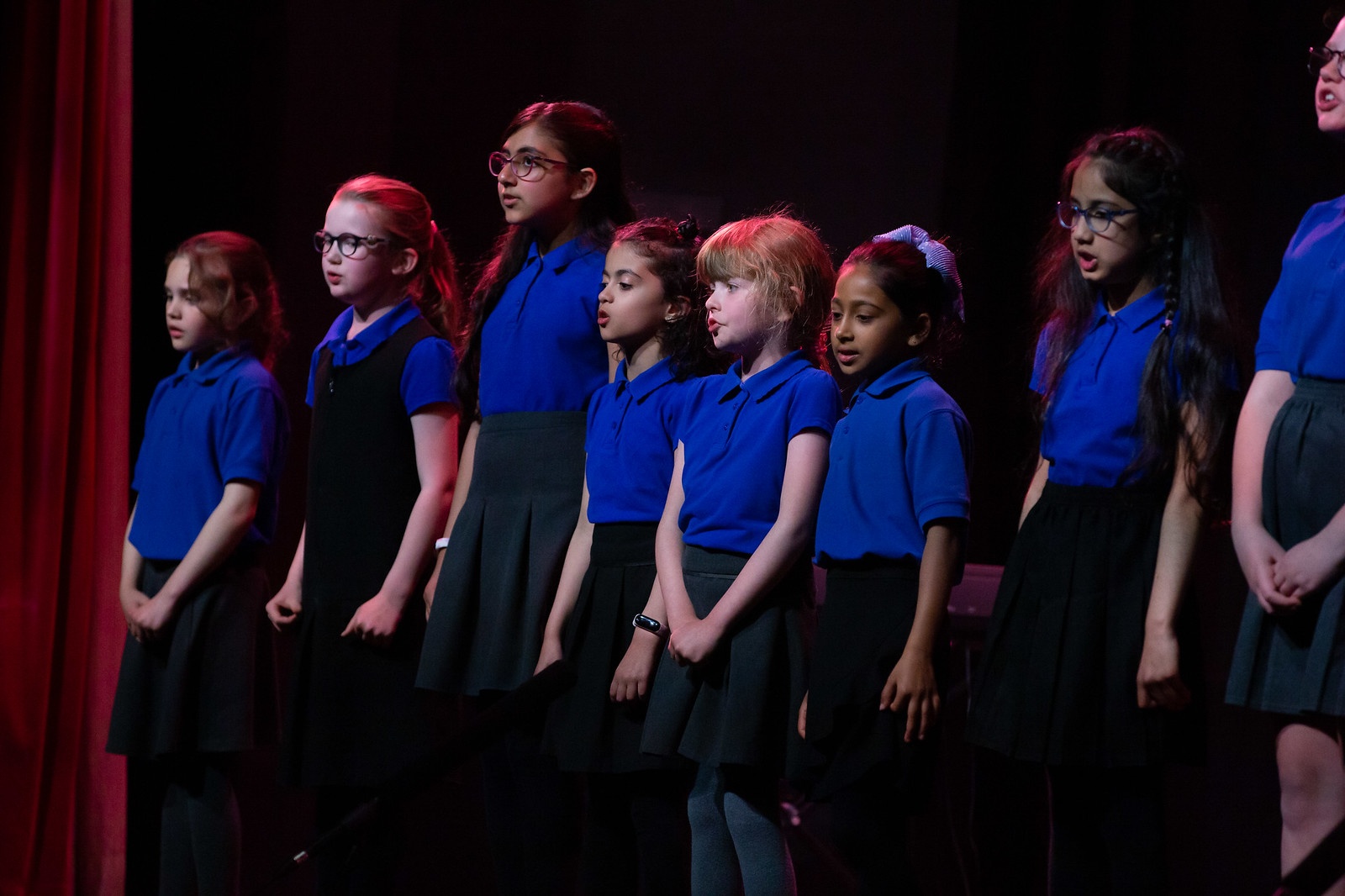
Our curriculum is an enriched curriculum across school and our aim as a school is to enable our students to be exposed to a rich variety of experiences to broaden their horizons and provide memorable learning experiences that they can use to broaden their understanding of the world. We provide a choir, music assemblies and music tuition through Lancashire to promote their love of music and enable them to develop their own preferences within music. |
- Music Curriculum Overview
- Music Y12 MTP Curr B.pdf
- Music Y34 MTP Curr B.pdf
- Music Y56 MTP Curr B.pdf
- Music Subject Guidance
- Long Term Plan - A (long)
- Long Term Plan - B (long)